Elastomeric Adhesives

Polyurethane, nitrile, and neoprene

Polyurethane Adhesives

Polyurethane (PU) adhesives are premium, high-performance bonding solutions engineered to solve complex manufacturing challenges. At their core, these polymers rely on urethane linkages formed via an efficient exothermic polyaddition reaction between isocyanate (-NCO) and hydroxyl (-OH) groups.

For modern manufacturers, the true commercial value of PU adhesives lies in their phase-segregated morphology. By precisely balancing hard segments (isocyanates, which deliver high tensile strength and thermal stability) with soft segments (polyols, which provide impact resistance and low-temperature elongation), formulators can customize solutions tailored to your exact production needs—ranging from rigid structural pastes to permanently flexible sealants. This unmatched tunability allows engineers to confidently deploy PU systems across demanding, stress-variable environments, ultimately reducing joint failure and extending product lifecycles. In practice, this translates to specialized applications ranging from the high-modulus structural integrity required to bond dissimilar carbon-fiber and aluminum parts in aerospace, and the fatigue-resistant, acoustic-damping seals essential for heavy transportation.

45 products

  • LORD 7545 Two-Component Urethane Adhesive System

    LORD 7545 Two-Component Urethane Adhesive System

    • 1:1 mix ratio, 100% solids urethane adhesive
    • 1.5 to 65 minute selectable working time
    • Non-sag structural bonding with environmental and solvent resistance.
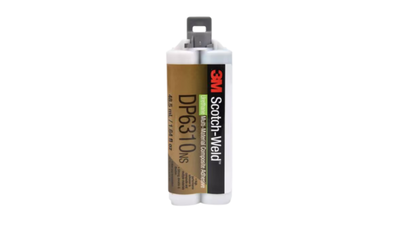
  • 3M™ Scotch-Weld™ DP6310NS

    3M™ Scotch-Weld™ DP6310NS

    • 1:1 mix ratio by volume
    • Non-sag rheology
    • 9-minute work life
  • 3M™ Scotch-Weld™ Structural Polyurethane Adhesive DP609

    3M™ Scotch-Weld™ Structural Polyurethane Adhesive DP609

    • Rapid room-temperature curing
    • Flexible structural bonding
    • Approx. 9-minute work life at 23°C
  • 3M™ Foam Fast Spray Adhesive 74

    3M™ Foam Fast Spray Adhesive 74

    • Used for bonding flexible urethane or latex foam
    • Provides excellent coverage.
    • Soft, non-dimpling glue lines.
  • 3M™ Repositionable Spray Adhesive 75

    3M™ Repositionable Spray Adhesive 75

    • Provides "tape-like" bonds
    • Bonds paper, cardboard, acetate, foil, fabrics, etc.
    • Extra-long tack range
  • 3M™ Super 77™ Universal Spray Adhesive

    3M™ Super 77™ Universal Spray Adhesive

    • High tack
    • High coverage
    • Fast drying
  • 3M™ Hi-Strength 90 Spray Adhesive

    3M™ Hi-Strength 90 Spray Adhesive

    • High strength
    • Contact-type adhesive
    • Fast-drying
  • 3M™ Scotch-Weld™ Structural Adhesive Film AF 30

    3M™ Scotch-Weld™ Structural Adhesive Film AF 30

    • Thermosetting Structural Adhesive Film
    • 5, 10, and 12 mil Thicknesses
    • Flexible Extremely-Low-Flow Film
  • 3M™ Scotch-Weld™ Structural Adhesive Film AF 3109-2U

    3M™ Scotch-Weld™ Structural Adhesive Film AF 3109-2U

    • High-Strength Structural Bonding
    • High- and Moderate-Tack Film Options
    • 60-Minute 250 deg F Cure
  • 3M 1099

    3M 1099

    • Medium-Viscosity Application Control
    • Long-Term Durability by Resisting Weathering
    • Adhesion-Promoting Surface Treatment
  • 3M 1357

    3M 1357

    • High Initial Contact Strength
    • High Heat Resistance
    • Up to 30-Minute Bonding Window
  • 3M 30NF

    3M 30NF

    • Water-Dispersed Contact Adhesive
    • Heat-Resistant Laminate Bonding
    • Greenguard-Certified Wood and Laminate Bonding
  • 3M 76

    3M 76

    • High-Tack Industrial Formulation Excels in One-Surface Bonding
    • Polyethylene and Polypropylene Bonding
    • Controlled Variable Lace Spray Pattern
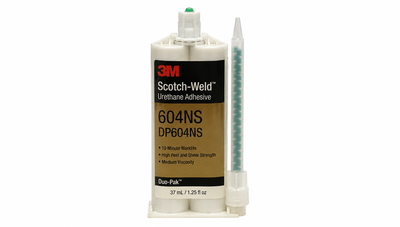
  • 3M DP604NS

    3M DP604NS

    • 4-Minute Open Time
    • 1:1 Meter-Mix Processing
    • 51 to 121 deg C Service Range
  • 3M DP620NS

    3M DP620NS

    • 20-Minute Open Time
    • 1:1 Meter-Mix Processing
    • 19.9 MPa Aluminum Lap Shear
  • 3M DP640

    3M DP640

    • 40-Minute Working Window
    • Thixotropic Non-Sag Placement
    • 2,160 lb/in^2 Aluminum Overlap Shear
  • ARALDITE AY 8683

    ARALDITE AY 8683

    • Fast-Setting Polyurethane for Filter Bonding
    • 15-Minute Working Window
    • 475% Elongation with 100 Pli Peel
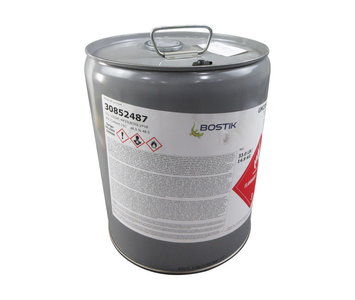
  • BOSTIK LADH1531AC
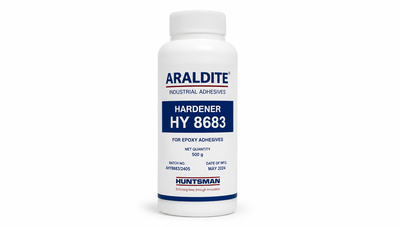
  • HARDENER HY 8683

    HARDENER HY 8683

    • Fast-Setting Polyurea for Filter Bonding
    • 15-Minute Working Window
    • 475% Elongation with 100 Pli Peel
  • LOCTITE EF562

    LOCTITE EF562

    • Foaming Epoxy Film Adhesive
    • Uniform Cell Structure
    • Dual-Cure Bonding Processing
  • LOCTITE MR5412

    LOCTITE MR5412

    • Solvent-Based Neoprene Contact Adhesive
    • Fast Air-Dry Tack
    • Repositionable During Initial Assembly
  • LORD 7100A

    LORD 7100A

    • High-Strength Structural Bonding
    • Primerless Bonding to Many Plastics
    • VOC-Free Weathering/Aging-Resistant Urethane
  • LORD 7100A/B

    LORD 7100A/B

    • High-Strength Structural Bonding
    • Without Priming Bonding
    • Solvent-, Weathering- and Aging-Resistant Cured System
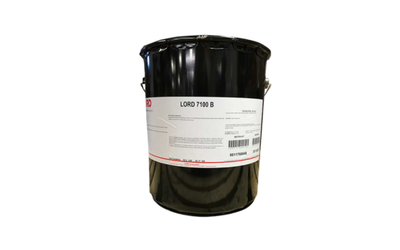
  • LORD 7100B

    LORD 7100B

    • High-Strength Urethane Bonding
    • Primerless Bonding to Many Plastics
    • VOC-Free Weathering/Aging-Resistant Urethane
  • LORD 7150A/B

    LORD 7150A/B

    • High-Strength Structural Bonding
    • Primerless Bonding to Many Plastics
    • Solvent-, Weathering- and Aging-Resistant Gray Cured System
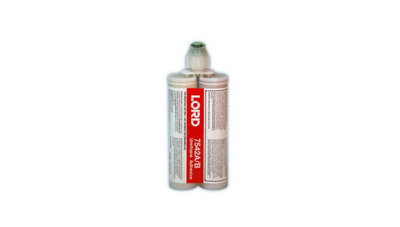
  • LORD 7542A

    LORD 7542A

    • 1:1 Controlled Mixing
    • 4 to 30-Minute Working Window
    • 18.7 MPa Cured Tensile Strength
  • LORD 7542B

    LORD 7542B

    • 1:1 Fast-Cure Urethane Curative
    • 5 to 10-Minute Working Time
    • 30 to 60-Minute Handling Time
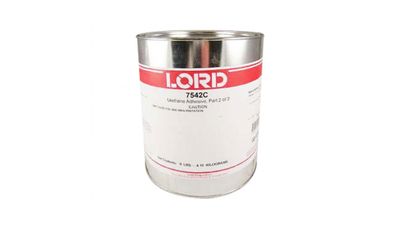
  • LORD 7542C

    LORD 7542C

    • 1:1 Medium-Work-Time Urethane Curative
    • 10 to 20-Minute Working Time
    • 60 to 120-Minute Handling Time
  • LORD 7545A/B

    LORD 7545A/B

    • Non-Sag Urethane Bonding
    • 3 to 5-Minute Working Window
    • 30-Minute Handling Time
  • LORD 7545A/D

    LORD 7545A/D

    • High-Strength Structural Bonding
    • Non-Sag Vertical Placement
    • Solvent and Weather Resistance
  • LORD 7550

    LORD 7550

    • Optically Clear Bonding
    • 3 to 5-Minute Working Window
    • Weathering/Humidity/Salt-Spray/UV Environmental Resistance
  • LORD 7650

    LORD 7650

    • One-Part Moisture-Cure Urethane
    • 15 to 30-Minute Solvent Flash
    • Multi-Material Foam/Fabric/Rubber/Plastic/Metal Bonding
  • LORD 7800

    LORD 7800

    • Rapid-Cure Urethane Bonding
    • Composite, SMC, Plastic, and Coated-Metal Bonding
    • Non-Sag Environmental Resistance
  • 3M 08690

    3M 08690

    • Fast Strength Build-Up
    • High-Viscosity Bead Control
    • One-Part Moisture Cure
  • 3M 1357L

    3M 1357L

    • Low-Viscosity Large-Area Application
    • Fast Ten-Minute Drying
    • Thirty-Minute Bonding Range
  • 3M 604NS

    3M 604NS

    • Non-Sag Vertical Gap Filling
    • Rapid 4-Minute Working Window
    • Multi-Material Structural Bonding
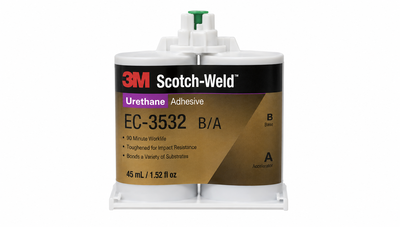
  • 3M EC-3532

    3M EC-3532

    • Tough Impact Resistant Assembly
    • Rapid Non Sag Placement
    • Primed Multi Material Bonding
  • 3M EC-3549

    3M EC-3549

    • High Peel Structural Durability
    • Impact Resistant Urethane Bonding
    • Controlled Sag Resistant Placement
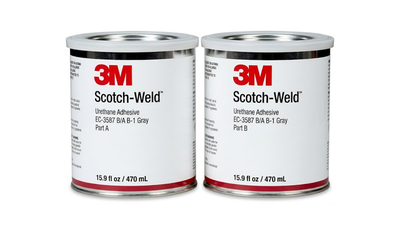
  • 3M EC-3587

    3M EC-3587

    • Structural Bonding And Fairing
    • Selectable Assembly Work Life
    • Sandable Non Sag Gap Filling
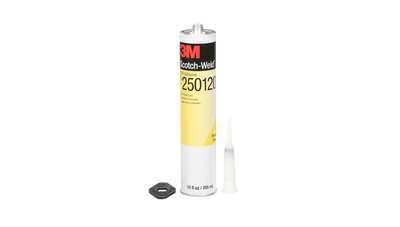
  • 3M EZ250120

    3M EZ250120

    • Medium-Set Wood Assembly
    • Thin-Bondline Warm Application
    • Moisture-Curing One-Part Processing
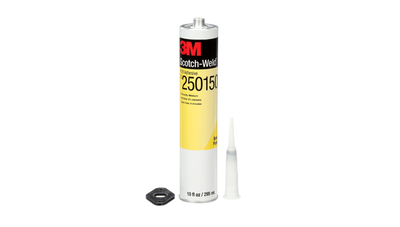
  • 3M EZ250150

    3M EZ250150

    • Extended 2 to 4 Minute Open Time
    • Aluminum or Glass to Wood or Plastic
    • Flexible Cured Adhesive Layer
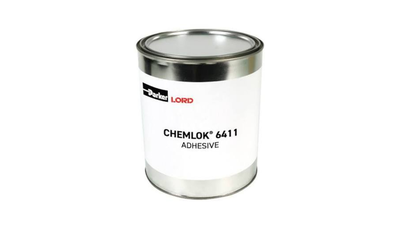
  • CHEMLOK 6411

    CHEMLOK 6411

    • 30-Minute Room-Temperature Dry
    • 12.7 to 25.4 um Film
    • Brush, Roll, Dip or Spray
  • LOCTITE UK3173

    LOCTITE UK3173

    • Low-Viscosity Resin Handling
    • 45-Minute System Work Time
    • Flame-Retardant Potting System
  • LOCTITE UK3364

    LOCTITE UK3364

    • 60-120 Second Gel Time
    • 1:2 Volume Mix Ratio
    • Rigid Fiber-Optic Encapsulation
  • ROYAL HYDRA FAST-EN DC12623

    ROYAL HYDRA FAST-EN DC12623

    • One-part waterborne spray format
    • Wet or dry mating
    • Soft supple adhesive layer

Frequently asked questions

Frequently Asked Questions about Polyurethane Adhesives

How does ambient humidity impact the curing kinetics of 1K PU adhesives?

Because water acts as a stoichiometric reactant, the curing rate of 1K PU adhesives is directly proportional to both absolute humidity and temperature. Standard testing is typically conducted at 23°C and 50% relative humidity. Dropping the relative humidity significantly inhibits the generation of primary amines, drastically retarding the depth of cure, often limited to 2–4 mm per 24 hours under standard conditions.

What is the difference between pot life and open time in PU systems?

Pot life refers to the usable time a mixed 2K PU system retains a workable viscosity in the mixing vessel before exothermic crosslinking renders it unpumpable. Open time refers to the maximum allowable interval between applying the adhesive to the substrate and mating the parts before the adhesive skins over, which would compromise substrate wetting and final adhesion.

What are the primary safety and handling concerns regarding isocyanates?

Monomeric isocyanates, such as MDI and TDI, are potent respiratory and dermal sensitizers, so proper engineering controls, including fume extraction, and appropriate PPE are mandatory. Because isocyanates are highly reactive with atmospheric moisture, storage containers must also be purged with dry nitrogen or fitted with desiccant breathers to prevent premature bulk curing inside the packaging.

How does diisocyanate monomer selection influence the cured adhesive's properties?

Aromatic isocyanates like MDI and TDI yield rigid, structurally robust networks due to the steric hindrance provided by their benzene rings. MDI is widely favored for heavy-duty structural adhesives due to its lower vapor pressure and superior low-temperature performance, maintaining elasticity down to -100°C. Aliphatic isocyanates like HDI lack these aromatic rings, offering slightly lower initial rigidity and higher cost, but they provide exceptional UV resistance, preventing the photo-oxidative yellowing and surface chalking that degrade outdoor architectural and marine bonds over time.

How do polyether-based polyols compare to polyester-based polyols in durability?

The formulation of the soft segment dictates the adhesive's environmental resistance profile. Polyether-based polyols contain ether linkages that are highly resistant to hydrolysis, making them the commercial standard for marine environments, subterranean applications, or joints subjected to high, continuous humidity. Polyester-based polyols contain ester linkages that offer superior resistance to oils, greases, and non-polar hydrocarbons and a higher baseline tensile strength, but they are susceptible to chain scission when exposed to continuous moisture and elevated temperature, leading to premature mechanical failure in those environments.

Why do thick bond lines cure more slowly in 1K moisture-cured PU adhesives?

The cure mechanism of a 1K system depends entirely on the diffusion of ambient moisture into the polymer matrix to react with the isocyanate end groups. Because the exposed outer layer cures first, it forms a semi-permeable skin that exponentially slows further moisture diffusion into the core, so complete through-cure in thick bond lines can take days. For deep-section potting or high-throughput automated assembly, manufacturers often switch to a 2K system, where cure occurs independently of moisture and geometry, or use polyurethane reactive (PUR) hot melts, which bypass the diffusion bottleneck by providing instant green strength through thermal cooling while the secondary moisture cure completes afterward.


Learn more

Classification and Chemical Architecture

Four distinct system types, each engineered around a different cure mechanism, processing method, and performance profile

1-Component (1K) Moisture-Cured Systems

Isocyanate-terminated prepolymers that crosslink through reaction with ambient water vapor. Cure is diffusion-limited, and the rate decelerates with increasing bond line thickness. Carries a risk of CO₂ evolution in thick sections.

Cure Trigger

Ambient moisture (H₂O) • No mixing required

2-Component (2K) Polyaddition Systems

Polyol resin (Part A) and isocyanate hardener (Part B) mixed at a controlled NCO index. Zero volatile byproducts, infinite depth of cure, and tunable final hardness from rigid thermoset to soft elastomer.

Cure Trigger

Stoichiometric mix (NCO Index) • Exothermic polyaddition

 
1K Moisture-Cure PU Reaction Diagram
Moisture-Cure
1K System

1. 1-Component (1K) Moisture-Cured Polyurethanes

1K systems are formulated from isocyanate-terminated prepolymers, intermediate polymer chains capped with highly reactive -NCO groups. These -NCO groups react with water (H₂O) in ambient air to form urethane linkages and release carbon dioxide (CO₂) as a byproduct, progressively building a crosslinked thermoset network without any mixing on the production line.

Diffusion-Limited Cure Rate

Moisture must permeate through the outer skin of the adhesive to reach unreacted prepolymers beneath. Cure rate decelerates exponentially with increasing adhesive thickness.

CO₂ Evolution Risk in Thick Bond Lines

Trapped CO₂ can cause micro-foaming and voids that compromise structural integrity. Advanced formulations use latent hardeners, such as aldimines or oxazolidines, that generate crosslinking amines without evolving CO₂ gas.

 
Polyaddition
2K System

2. 2-Component (2K) Polyaddition Systems

2K systems separate the reactive chemistry into two components: Part A (a blend of polyether or polyester polyols, chain extenders, and organometallic catalysts) and Part B (a monomeric or polymeric MDI hardener). Upon mixing at a precise stoichiometric ratio, the NCO index, an exothermic polyaddition reaction begins immediately.

Unlike 1K systems, 2K adhesives produce zero volatile byproducts (no CO₂, no solvents), achieve infinite depth of cure, and deliver exceptionally rapid strength buildup. By altering the molecular weight and functionality of the polyols in Part A, engineers can tune the cured state from a rigid, glass-like thermoset to a tough, impact-resistant elastomer.

Primary Application

Structural assembly of composites (wind turbine blades, automotive chassis), panel lamination, and heavy machinery bonding where high tensile strength and predictable rapid cycle times are critical.

2K Polyaddition PU System Diagram
 
Specialty Polyurethane Chemistries
PUR Reactive Hot Melt Two-Stage Cure
 
Reactive Hot Melt PUR

3. Polyurethane Reactive Hot Melts (PUR)

PUR adhesives bridge the gap between traditional thermoplastic hot melts and reactive thermosets. Solid at room temperature, they consist of low-molecular-weight prepolymers with residual unreacted isocyanate groups. Heated to 100–120°C and extruded onto the substrate, the polymer chains crystallize on cooling to deliver immediate green strength within seconds.

A secondary, slower reaction then occurs: residual -NCO groups react with ambient moisture over several days to form a permanently crosslinked thermoset network that cannot be remelted, delivering thermal, solvent, and creep resistance beyond any non-reactive hot melt.

Primary Use: Automated edge-banding in cabinetry, textile lamination, and high-speed electronics assembly requiring immediate handling strength paired with long-term environmental durability.

 
Low-VOC PUD

4. Waterborne Polyurethane Dispersions (PUD)

Waterborne PU dispersions offer a low-VOC alternative by dispersing fully reacted polyurethane chains in an aqueous medium rather than chemical solvents. These heat-activated systems eliminate solvent handling hazards and reduce regulatory burden, while retaining the core flexibility and adhesion characteristics of polyurethane chemistry.

PUD systems hold value for specialized applications such as textile and footwear lamination, though they sit outside the heavy-duty structural focus of reactive hot-melt and 1K/2K polyurethane technologies.

Niche Use: Textile and footwear lamination. See 1K / 2K / PUR systems above for primary structural requirements.


Key Mechanical and Chemical Benefits

Why polyurethane adhesives outperform rigid structural alternatives in dynamic, multi-material assemblies

Mechanical Performance

Exceptional Elongation and Toughness

The micro-phase-separated morphology delivers high elongation at break alongside exceptional tear strength, ideal for bonding dissimilar substrates with differing coefficients of thermal expansion (CTE). By absorbing and dissipating dynamic stresses, thermal expansion, and impact loads, PU adhesives prevent joint fatigue and delamination over long service lives.

Substrate Compatibility

Broad Adhesion Profile

The high polarity of urethane and urea groups facilitates robust hydrogen bonding, and in some cases covalent bonding, with engineered plastics, metals, composites (FRP, CFRP), and cellulosic materials. This broad bonding capability streamlines production lines by minimizing the need for multi-step surface preparation.

Temperature Performance

Thermal Shock Resistance & Low-Temperature Flexibility

Unlike rigid structural adhesives (epoxies, acrylics), PU possesses a distinctively low glass transition temperature (Tg). This inherent elasticity remains highly flexible and resists embrittlement under extreme sub-zero thermal cycling, critical for aerospace, transportation, and construction applications exposed to drastic climatic shifts.
Environmental Durability

Robust Chemical and Environmental Durability

Highly crosslinked PU networks demonstrate outstanding resistance to harsh operational environments. The cured thermoset matrix forms an impermeable barrier against moisture ingress, aliphatic hydrocarbons, automotive fluids, and dilute acids or bases, maintaining structural integrity in continuous-duty industrial and outdoor deployments.


Industrial Applications of Polyurethane Adhesives

PU adhesives excel where load-bearing strength must be paired with dynamic flexibility

By distributing stress evenly across the entire bond line rather than concentrating it at puncture points, as rivets or bolts do, PU adhesives prevent fatigue cracking, reduce overall assembly weight, and streamline manufacturing throughput across a broad range of demanding end markets.

Automotive and EV Battery PU Adhesive Applications
Recommended 2K PU • 1K PU

Automotive & E-Mobility

Lightweighting, battery assembly, and structural glazing

Crash-Resistant Direct Glazing

High-modulus, rapid-curing PU adhesives bond load-bearing windshields directly to the chassis. The cured matrix transfers dynamic loads, contributing up to 30% of cabin torsional rigidity and ensuring structural integrity for airbag deployment during collisions.

EV Battery Assembly & Thermal Management

Specialized thermally conductive 2K PU systems structurally pot and bond battery cells to thermal cold plates. The elastomeric matrix isolates delicate components from harsh road vibrations while engineered fillers dissipate localized heat to prevent thermal runaway.

Acoustic Damping (NVH) and Panel Bonding

PU's viscoelastic morphology actively mitigates noise, vibration, and harshness (NVH) by converting kinetic energy from chassis flex into negligible heat, acting simultaneously as a structural bond and a constrained-layer damper to improve cabin acoustics and eliminate mechanical fastener squeaks.

 
Recommended 2K PU (Low Tg) • FST-Compliant

Aerospace & Advanced Air Mobility

Dynamic load management and composite assembly

Commercial aviation and eVTOL sectors require structural adhesives that withstand relentless aerodynamic fatigue, high-frequency vibration, and extreme thermal shock, from +60°C to −55°C at cruising altitudes. Structural PU adhesives absorb dynamic loads while maintaining the integrity of lightweight composite architectures.

Interior Honeycomb Core Lamination & Potting

2K PU systems are the standard for assembling secondary structural interior panels (bulkheads, overhead bins) by bonding fiberglass or CFRP skins to Nomex or aluminum honeycomb cores. Elasticity prevents delamination from continuous pressurization cycles; halogen-free formulations support compliance with FST (Fire, Smoke, Toxicity) safety mandates.

eVTOL Battery Potting & Fairings

Electric aircraft rely on thermally conductive 2K PU systems to structurally bond and encapsulate high-density battery arrays. These aerospace formulations require an exceptionally low Tg to maintain NVH and impact resistance in sub-zero atmospheric conditions while demonstrating chemical resistance to hydraulic fluids such as Skydrol.

Aerospace eVTOL PU Adhesive Applications
 
Marine Shipbuilding PU Adhesive Applications
Recommended Polyether-Based PU • High Elongation

Marine & Shipbuilding

Hydrodynamic load management and hydrolysis resistance

Commercial shipbuilding and marine manufacturing demand structural adhesives capable of withstanding continuous saltwater immersion, extreme hydrodynamic shock, and severe UV exposure. Polyether-based structural PU adhesives are the industry standard for these environments; their chemical backbone fundamentally resists hydrolysis (water-induced chain scission), unlike polyester-based alternatives.

High-elongation properties absorb slamming loads that would otherwise loosen traditional mechanical deck fasteners over time, while the broad adhesion profile eliminates the need for multi-substrate primer systems on mixed metal and composite hull constructions.

Polyurethane Adhesive – Application & Chemistry Selection Guide
Application Recommended System Rationale
Automotive direct glazing High-modulus 1K or 2K PU Torsional rigidity, rapid cure, crash energy transfer
EV battery cell bonding / potting Thermally conductive 2K PU Vibration isolation, thermal conductivity, no thermal runaway
NVH damping & panel bonding Viscoelastic 2K PU Constrained-layer damping, replaces mechanical fasteners
Aircraft honeycomb lamination FST-compliant 2K PU Pressurization cycle fatigue resistance, FST compliance
eVTOL battery & fairing bonding Low-Tg thermally conductive 2K PU Sub-zero flexibility, Skydrol resistance, NVH performance
Marine hull & deck bonding Polyether-based 1K or 2K PU Hydrolysis resistance, hydrodynamic shock absorption
Edge banding & textile lamination PUR reactive hot melt Immediate green strength plus permanent thermoset after moisture cure
Wind turbine blade & composite assembly 2K PU structural Zero VOC, infinite depth of cure, tunable modulus

Leading Brands Trust in Our Products and Services

  • Jabil
  • Linxens
  • Magna
  • Medtronic
  • NXP
  • Philips
  • Semikron
  • Teledyne
  • Thales
  • Vishay
  • ZF
  • AMS
  • Apple
  • Audi
  • Broadcom
  • Borgwarner
  • Bosch
  • Eaton
  • Henkel
  • Honeywell
  • Hysol
  • Intel
Products that Perform|Knowledge that Serves|Service that Delivers