Cleaners & Degreasers

Solvent, water-based & specialty formulas

Cleaners & Degreasers

Industrial cleaners and degreasers remove oils, greases, flux residues, waxes, particulates, and other process contaminants from parts and surfaces prior to coating, assembly, inspection, or further processing. Formulation chemistry ranges from solvent-based systems, which dissolve soils directly into the cleaning fluid, to water-based (aqueous) systems, which rely on surfactants and detergency to lift and suspend contaminants, to specialized formulations engineered for specific soil types, substrate sensitivities, or regulatory requirements.

The right chemistry depends on the soil being removed, the substrate's material compatibility, the cleaning equipment available (wipe, spray, immersion, ultrasonic, or vapor degreasing), required cleanliness level, drying time, flash point and worker safety considerations, and applicable environmental and VOC regulations. Solvent-based cleaners generally offer fast evaporation and strong soil-dissolving power for oils and greases. Water-based cleaners avoid flammable solvents and often lower VOC content, but typically require a drying step and more attention to rinse water treatment. Specialized formulations, including bio-based, semi-aqueous, and precision electronic-grade cleaners, address applications where standard solvent or aqueous chemistry falls short.

61 products

  • BONDERITE C-AK 6849 AERO
  • BONDERITE C-AK ALUM ETCH 2 AERO

    BONDERITE C-AK ALUM ETCH 2 AERO

    • Cleaning and Etching
    • Uniform Surface Wetting
    • Aluminum Surface Treatment
  • BONDERITE C-AK ALUM ETCH 3 AERO

    BONDERITE C-AK ALUM ETCH 3 AERO

    • Surface Soil Removal
    • Aluminum Surface Etching
    • 0.05 to 0.10 mil/min Etch Rate
  • LENIUM FS

    LENIUM FS

    • Non-Flammable Vapor-Degreasing Cleaner
    • Multi-Soil Precision Cleaning
    • Multi-Material Cleaning Compatibility
  • LOCTITE SF7070

    LOCTITE SF7070

    • Low-Viscosity Precision Cleaning
    • 5-20 Minute Drying Window
    • Spray, Wipe, or Immersion Use
  • DOWSIL DS-2025

    DOWSIL DS-2025

    • Cured Silicone Residue Removal
    • Up to 400 g/L Silicone Solubilization
    • Below 10 cP Low Viscosity
  • AEROWAX HT

    AEROWAX HT

    • 82 to 88 deg C Melting Range
    • Chemical-Resistant Selective-Plating Maskant
    • UV-Detectable BIOACT-Removable Coating
  • DOWSIL OS-125

    DOWSIL OS-125

    • Silicone-Contamination Cleaning Solvent Blend
    • Immersion, Spray, Rinse, or Wipe Cleaning
    • ppm-Level Residual Silicone
  • DOWSIL OS-20

    DOWSIL OS-20

    • Immersion, Spray, or Wipe Cleaning
    • Very-Low-Residue Complete Evaporation
    • 0 g/L US VOC-Exempt Solvent
  • AXAREL 1000

    AXAREL 1000

    • MIL-PRF-680 Type I Approved Cleaner
    • 60 ppm Nonvolatile Residue
    • Multi-Soil Manual/Immersion Cleaning
  • AXAREL 2000

    AXAREL 2000

    • MIL-PRF-680 Type II Approval
    • Hand-Wipe, Immersion, or Vacuum Cleaning
    • Low-Odor Low-Residue Soil Removal
  • AXAREL 2200

    AXAREL 2200

    • Solder/Adhesive/Flux Residue Removal
    • Fast-Drying Low-Residue Cleaning
    • IPA-Replacement Electronics Cleaning
  • AXAREL 3000

    AXAREL 3000

    • High-Solvency Multi-Soil Cleaning
    • Fast-Drying Low-Residue Precision Cleaning
    • Vapor-Degreasing or Immersion Cleaning
  • AXAREL 32

    AXAREL 32

    • Water-Rinsable pH-Neutral Electronics Cleaning
    • Ionic/Flux/Oil Contamination Removal
    • Ambient to 71 deg C Defluxing
  • AXAREL 6100

    AXAREL 6100

    • Broad Multi-Soil Solvency
    • Hand-Wipe or Immersion Cleaning
    • 142 deg F Flash Point
  • AXAREL 9100

    AXAREL 9100

    • 96 deg C Flash Point
    • Multi-Soil Cleaning Removal
    • Polymer/Elastomer and Multi-Metal Compatibility
  • BIOACT 200

    BIOACT 200

    • Semi-Aqueous Ink/Paint/Resin Removal
    • 94 deg C High Flash Point
    • Immersion/Ultrasonic/Spray System Cleaning
  • BIOACT 280E

    BIOACT 280E

    • High-Melting Wax Removal
    • Multi-Polymer Cleaning Compatibility
    • Low-Odor Low-Volatility Cleaning
  • BIOACT EC-78

    BIOACT EC-78

    • RMA/No-Clean/Lead-Free Flux Removal
    • Low-Foaming Electronics Cleaning
    • Saponifier and Corrosion-Inhibitor Formulation
  • BIOACT EC-7M

    BIOACT EC-7M

    • USDA-Certified Cleaning Product
    • Solder-Flux, Paste, Oil, and Grease Removal
    • Reduced Solvent Loss
  • BIOACT SC-10E

    BIOACT SC-10E

    • Multi-Soil Electronics Cleaning
    • Fast-Evaporating No-Rinse Cleaning
    • Manual, Batch, or Immersion Cleaning
  • BIOACT SC-22

    BIOACT SC-22

    • Rinse-Free Immersion or Ultrasonic Cleaning
    • 62 deg C Flash Point
    • 0.5 mmHg Vapor Pressure
  • BONDERITE C-AK 298

    BONDERITE C-AK 298

    • Non-Silicated Aluminum Immersion Cleaner
    • Multi-Soil Removal and Free Rinsing
    • 54 to 82 deg C Immersion Cleaning
  • BONDERITE C-AK 4215 NC-LT

    BONDERITE C-AK 4215 NC-LT

    • Low-Temperature Multi-Metal Cleaning
    • Fuel/Hydraulic Component Cleaning
    • Chromate-Free Low-Foam Noncorrosive Formulation
  • BONDERITE C-AK 4338LP1

    BONDERITE C-AK 4338LP1

    • Two-Part Alkaline-Permanganate System Component
    • Jet-Engine Heat-Scale Conditioning
    • Liquid-Concentrate Bath Make-Up
  • BONDERITE C-AK 4338LP2

    BONDERITE C-AK 4338LP2

    • High-Temperature Oxide-Scale Conditioning
    • Equal-Volume Two-Liquid Mixing
    • 15 to 25% Component Concentration
  • BONDERITE C-AK 5948-DPM

    BONDERITE C-AK 5948-DPM

    • Painted/Unpainted Aircraft Cleaning
    • Nonstaining Free-Rinsing Aluminum Cleaning
    • Phosphate/Chromate-Free Immersion/Ultrasonic Cleaning
  • BONDERITE C-AK 5948-R
  • BONDERITE C-AK 909

    BONDERITE C-AK 909

    • Heavy-Soil Multi-Metal Degreasing
    • Immersion or Ultrasonic Cleaning
    • Caustic-Soda-Free Chelating Formulation
  • BONDERITE C-AK ALTREX

    BONDERITE C-AK ALTREX

    • Inhibited Non-Etching Aluminum Cleaning
    • BAC-5749 Medium-Duty Soak Qualification
    • Buffered Hard-Water Bath Control
  • BONDERITE C-AK ALUM

    BONDERITE C-AK ALUM

    • Removal of Light Soils with Immersion Etching
    • Promotes Uniform Wetting Through Low Surface Tension
    • 40 to 80 deg C Service Range
  • BONDERITE C-AK EC-202L

    BONDERITE C-AK EC

    • Multi-Soil Phosphate-Line Equipment Cleaning
    • Spray, Immersion, or Recirculation Cleaning
    • Two-Step Descaling Bath Control
  • BONDERITE C-AK ETCH

    BONDERITE C-AK ETCH 9HL

    • High-Copper Aluminum Chem-Mill Processing
    • Controlled Immersion Chemical Milling
    • Improved Line Definition and Etch Uniformity
  • BONDERITE C-AK LS

    BONDERITE C-AK LS

    • Rolling-Oil Steel-Strip Cleaning
    • Dip, Spray, or Electrolytic Cleaning
    • Oil-Separating Emulsion Behavior
  • BONDERITE C-AK VITKL

    BONDERITE C-AK VITKL

    • Ferrous/Titanium Tenacious-Soil Removal
    • Boeing BAC 5749 Compliance
    • Low-Foaming Quick-Rinse Bath Control
  • BONDERITE C-IC 2310

    BONDERITE C-IC 2310

    • Chromium-Free Aluminum Deoxidizing Cleaner
    • No-Heat Immersion/Spray Cleaning
    • MIL-W-6858C Deoxidizing Compliance
  • BONDERITE C-IC 33

    BONDERITE C-IC 33

    • Non-Flammable Bonding Formulation
    • Brush, Spray, or Immersion Application
    • Adhesion-Promoting Surface Treatment
  • BONDERITE C-IC 4409

    BONDERITE C-IC 4409

    • Ferrous/Nonferrous Alloy Cleaning and Deoxidizing
    • Hand-Wipe, Immersion, or Spray Processing
    • Water/Steam-Rinsable Rust Removal
  • BONDERITE C-IC 457

    BONDERITE C-IC 457

    • Heavy-Oxidation Aluminum/Magnesium Deoxidizing
    • Non-Flammable Phosphate-Free Formulation
    • Pre-Paint Surface Conditioning
  • BONDERITE C-IC 79

    BONDERITE C-IC 79

    • Phosphoric-Acid Oxidation/Corrosion Cleaner
    • Brush, Immersion, or Spray Application
    • Pre-Paint/Conversion-Coating Surface Preparation
  • BONDERITE C-IC ALDOX

    BONDERITE C-IC ALDOX

    • Chromate-Free Aluminum Deoxidizing and Desmutting
    • Boeing BAC 5765 Qualification
    • Ambient Spray or Immersion Processing
  • BONDERITE C-IC SMUTGO

    BONDERITE C-IC SMUTGO

    • Chromate-Free Acid Cleaner
    • Ambient Immersion or Spray Processing
    • Low Electrical Surface Resistance
  • BONDERITE C-SO 2382

    BONDERITE C-SO 2382

    • Aerospace NESHAP/AQMD Solvent Compliance
    • Fast-Evaporating Residue-Free Surface Prep
    • Noncorrosive Ferrous/Nonferrous Metal Cleaning
  • BONDERITE M-CR 1001

    BONDERITE M-CR 1001

    • Clear Aluminum Chromate Conversion Coating
    • Paint-Adhesion and Corrosion-Resistance Improvement
    • Spray or Immersion Application
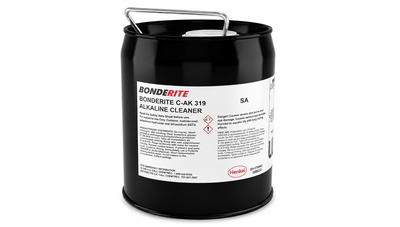
  • BONDERITE C-AK 319

    BONDERITE C-AK 319

    • Spray-or-Immersion Application Flexibility
    • Effective Across Wide Concentration Range
    • Multi-Metal Pre-Plating Surface Prep
  • BONDERITE C-AK 3878-LF-NC

    BONDERITE C-AK 3878-LF-NC

    • Chromate- and Chlorine-Free Formula
    • Vapor-Degreasing Fluid Replacement
    • Shop Soil and Cutting-Oil Removal
  • BONDERITE C-AK 4181-L

    BONDERITE C-AK 4181-L

    • Single-Step Rust and Corrosion Removal
    • Immersion, Electrolytic, or Ultrasonic Use
    • AMS-1379 Aerospace Specification Testing
  • BONDERITE C-AK 4338
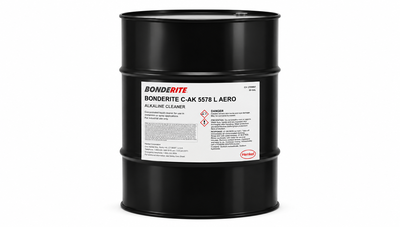
  • BONDERITE C-AK 5578-L

    BONDERITE C-AK 5578-L

    • Combined Cleaning and Titanium Etching
    • Pre-Bonding Surface Etch Preparation
    • Concentration-Controlled Process Flexibility
  • BONDERITE M-FE 101

    BONDERITE M-FE 101

    • One-Step Steel Cleaning and Phosphating
    • Improved Paint Adhesion, Coating Durability, and Corrosion Resistance
    • Steam Gun and High-Pressure Manual Applications
  • BONDERITE C-IC 4104

    BONDERITE C-IC 4104

    • Nitric Acid Descaling Enhancement
    • Multi-Alloy Pickling Compatibility
    • Alloy-Tailored Bath Formulation
  • BONDERITE M-FE HMF-1080

    BONDERITE M-FE HMF-1080

    • Heavy-Metal-Free Multi-Metal Clean/Phosphate Process
    • Improved Paint Adhesion and Corrosion Resistance
    • Multi-Metal Spray-Tunnel Pretreatment
  • BONDERITE C-MC 5884

    BONDERITE C-MC 5884

    • MIL-C-85704C Type I Qualification
    • GE and Pratt and Whitney Engine Listings
    • Ash-Free Water-Miscible Cleaning
  • BONDERITE C-SO 4460

    BONDERITE C-SO 4460

    • BMS 11-7G Wipe-Solvent Qualification
    • Rapid Residue-Free Evaporation
    • Multi-Metal Pretreatment Wiping
  • BONDERITE M-CR 120

    BONDERITE M-CR 120

    • Two-Step Aluminum Deoxidizing and Coating
    • Manual Brush-Applied Aluminum Treatment
    • Pre-Portioned Two-Component Kit Packaging
  • 3M™ Citrus-Based Industrial Cleaner

    3M™ Citrus-Based Industrial Cleaner

    • No chlorinated or petroleum-based solvents
    • Gentle cleaning
    • Fresh citrus scent
  • CLEANSAFE 787C

    CLEANSAFE 787C

    • Low-Foaming Lubrication Formulation
    • Multi-Soil Cleaning Removal
    • Ferrous and Non-Ferrous Alloys
  • LOCTITE SF 7840

    LOCTITE SF 7840

    • Biodegradable Aqueous Degreaser
    • Hazardous-Solvent-Free Aqueous Formulation
    • Non-Flammable Non-Caustic Cleaner
  • FREKOTE PMC

    FREKOTE PMC

    • Polyester-Mold Wax Removal
    • Multi-Soil Mold Cleaning
    • FREKOTE Sealer/Release Surface Preparation
  • LOCTITE SF768

    LOCTITE SF768

    • Cyanoacrylate Residue Removal
    • Very-Low-Viscosity Solvent Cleaner
    • Surface Cleaning and Debonding
  • VANTAGE LENIUM GS VAPOR SOLVENT

    VANTAGE LENIUM GS VAPOR SOLVENT

    • Stabilized nPB Vapor Degreasing
    • Multi-Soil Precision Cleaning
    • Aerospace Solvent-Replacement Approvals Available

Frequently asked questions

Frequently Asked Questions about Cleaners & Degreasers

What is the difference between a solvent-based and a water-based cleaner?

Solvent-based cleaners dissolve oils, greases, and waxes directly into the cleaning fluid, typically evaporate quickly, and don't require a separate drying step. Water-based cleaners rely on surfactants and detergency to lift and emulsify contaminants into an aqueous solution, and generally avoid the flammability and VOC concerns of solvents, but require rinsing and drying and more attention to wastewater treatment. The right choice depends on the soil type, substrate, available equipment, and applicable environmental regulations.

How is material compatibility checked before using a cleaner on a substrate?

Both solvent- and water-based cleaners can attack certain plastics, elastomers, coatings, or metals if not formulated or selected correctly, causing swelling, cracking, discoloration, or corrosion. Compatibility should be verified against the specific substrate, including any coatings, adhesives, or markings present, ideally with a small-scale test before full production use, rather than assumed from general chemistry class alone.

Why does flash point matter when selecting a solvent-based cleaner?

Flash point is the lowest temperature at which a solvent's vapors can ignite in air, and it directly affects storage, handling, and ventilation requirements. Low flash point solvents require stricter fire safety controls, spark-free equipment, and explosion-proof ventilation, while higher flash point or non-flammable formulations can simplify handling in some environments. Flash point should always be checked against the specific product's safety data sheet and matched to the facility's fire safety classification.

What does VOC content mean for a cleaner or degreaser?

Volatile organic compounds (VOCs) are carbon-based chemicals that evaporate readily and can contribute to air quality regulations and permitting requirements in many regions. Many solvent-based cleaners contain VOCs, while water-based and some specialized low-VOC or VOC-exempt formulations are designed to reduce this impact. Applicable VOC limits vary by jurisdiction, so local regulatory requirements should be checked against the specific product's VOC content.

What is vapor degreasing, and when is it used?

Vapor degreasing uses a heated solvent's vapor phase to condense on a cooler part, dissolve surface soils, and drain away clean, leaving the part dry with no rinsing step. It's commonly used for precision parts, complex geometries, and applications requiring tight residue and cleanliness specifications, and generally requires a solvent formulated and rated for vapor degreasing equipment rather than general wipe or spray use.

What makes a cleaner suitable for electronics applications?

Electronics cleaning generally requires low or non-conductive residue after evaporation, compatibility with sensitive components and circuit board materials, and controlled evaporation characteristics to avoid leaving streaking or film. Specialized precision-cleaning formulations are typically developed and tested for these requirements, and a general-purpose degreaser shouldn't be assumed suitable for electronics use without checking the product's specific residue and compatibility data.

What are bio-based cleaning solvents, and how do they differ from petroleum solvents?

Bio-based cleaning solvents are derived from renewable feedstocks, such as terpenes, citrus extracts, or soy and other plant esters, rather than petroleum. They can offer strong solvency for oils and greases with a different toxicity, odor, and biodegradability profile than traditional petroleum or chlorinated solvents, though flash point, evaporation rate, and material compatibility still vary by specific formulation and should be checked independently.

Why does drying time matter when choosing a cleaner?

Drying time affects production throughput, the risk of flash rusting on bare metal, and whether residual moisture or solvent could interfere with a downstream process like coating, bonding, or soldering. Fast-evaporating solvent cleaners often minimize drying time, while water-based cleaners typically require forced-air drying or longer ambient drying to avoid leaving moisture that can cause corrosion or contaminate the next process step.


Learn more

Cleaner & Degreaser Chemistry Overview

Industrial cleaners and degreasers remove oils, greases, flux residues, waxes, particulates, and other process contaminants from parts and surfaces prior to coating, assembly, inspection, or further processing. Formulation chemistry generally falls into three families: solvent-based, water-based, and specialized formulations engineered for specific soil types, substrates, or regulatory requirements.

Solvent-Based

Dissolves oils, greases, and waxes directly into the cleaning fluid. Generally fast-evaporating with no rinse step required, but flammability, flash point, and VOC content need careful handling and regulatory attention.

Water-Based

Uses surfactants and detergency to lift and emulsify contaminants into an aqueous solution. Avoids solvent flammability and often lowers VOC content, but requires rinsing, drying, and wastewater management.

Specialized Formulas

Bio-based, semi-aqueous, and precision-grade cleaners engineered for specific soils, sensitive substrates, or applications where standard solvent or aqueous chemistry falls short.


Solvent-Based Cleaner Chemistries

Hydrocarbon Solvents

Petroleum-derived aliphatic or aromatic solvents offering good general soil removal at moderate cost, with flammability and VOC content that vary by specific blend.

Chlorinated & Brominated Solvents

Strong solvency and often non-flammable, historically common in vapor degreasing. Subject to increasing regulatory restriction in many regions, so current approval status should be checked before specifying.

Fluorinated Solvents

Low surface tension and good material compatibility, often used for precision and electronics cleaning where residue and substrate sensitivity are critical.

Bio-Based Solvents

Derived from renewable feedstocks such as terpenes or plant esters, offering an alternative toxicity, odor, and biodegradability profile to petroleum or chlorinated solvents.


Water-Based Cleaner Chemistries

Alkaline Cleaners

High-pH formulations effective on heavy oils, buffing compounds, and shop soils on robust metal substrates, often used in immersion or spray washers.

Neutral & Mild Cleaners

Near-neutral pH formulations selected for sensitive substrates, such as aluminum or coated parts, where alkaline chemistry risks etching or discoloration.

Surfactant/Detergent Systems

Rely on surfactant chemistry to emulsify oils and suspend particulates, with formulation tailored to soil type, water hardness, and rinse requirements.


Specialized Cleaning Formulations

Semi-Aqueous Cleaners

Combine solvent soil-dissolving power with a water rinse step, offering strong cleaning performance without full solvent immersion or full aqueous processing.

Precision & Electronics-Grade Cleaners

Formulated for low or non-conductive residue, controlled evaporation, and compatibility with sensitive components and circuit board materials.

Vapor Degreasing Fluids

Formulated and rated specifically for vapor degreasing equipment, condensing on parts to dissolve soils and draining away clean without a separate drying step.


Cleaner Selection Guide

Selection Factor Why It Matters
Soil Type Oils, greases, flux residue, wax, and particulates each respond differently to solvent vs. surfactant-based chemistry.
Substrate Compatibility Plastics, elastomers, coatings, and certain metals can be attacked by incompatible chemistry, causing swelling, cracking, or corrosion.
Application Method Wipe, spray, immersion, ultrasonic, and vapor degreasing equipment each require formulations suited to that process.
Flash Point & Flammability Determines storage, handling, and ventilation requirements, and whether specialized fire-safety controls are needed.
VOC Content & Regulations Applicable air-quality and permitting requirements vary by jurisdiction and should be checked against the product's VOC content.
Drying Time Affects production throughput and the risk of flash rusting or contamination of downstream processes.
Residue Requirements Precision and electronics applications often require low or non-conductive residue after evaporation.

Core Applications

Precision & Electronics Cleaning

Removing flux, oils, and particulates from circuit boards and components without leaving conductive residue.

Metal Fabrication & Assembly

Degreasing parts before welding, coating, plating, or bonding, where surface contamination affects downstream adhesion.

MRO & Maintenance

General-purpose degreasing of equipment, tools, and components during routine maintenance and repair.

Aerospace & Precision Manufacturing

Cleaning tight-tolerance parts to strict cleanliness specifications, often via vapor degreasing or precision solvent systems.


Need Help Selecting the Right Cleaner or Degreaser?

Selection depends on your soil type, substrate, application method, and regulatory requirements. Our technical team provides product selection support, trial quantity sourcing, and application guidance across solvent-based, water-based, and specialized cleaning systems.

Cleaner & Degreaser – Quick Reference

Solvent-BasedFast dry, strong solvency, flammability considerations
Water-BasedLower VOC, requires rinse/dry, wastewater considerations
SpecializedBio-based, semi-aqueous, precision/electronics grade

Leading Brands Trust in Our Products and Services

  • Jabil
  • Linxens
  • Magna
  • Medtronic
  • NXP
  • Philips
  • Semikron
  • Teledyne
  • Thales
  • Vishay
  • ZF
  • AMS
  • Apple
  • Audi
  • Broadcom
  • Borgwarner
  • Bosch
  • Eaton
  • Henkel
  • Honeywell
  • Hysol
  • Intel
Products that Perform|Knowledge that Serves|Service that Delivers