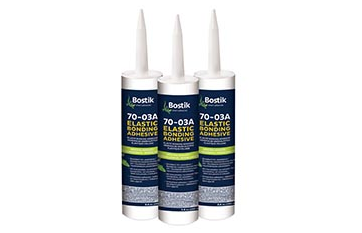
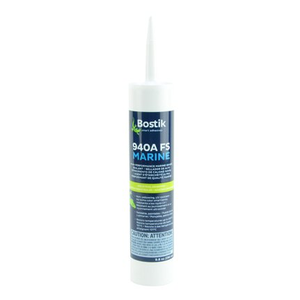
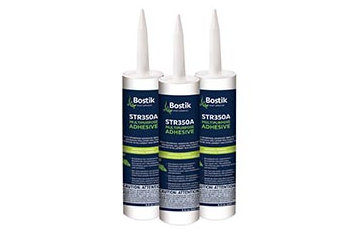
Specialty sealants cover chemistries built for demanding sealing applications that fall outside general-purpose epoxy, silicone, and polyurethane systems. This category currently centers on polysulfide sealants, high-performance elastomeric polymers used across aerospace, transportation, marine, and industrial environments, and will expand to include additional specialty chemistries over time.
Polysulfide sealants cure into durable, flexible rubber-like materials. Unlike rigid structural adhesives that transfer mechanical loads, they're designed to accommodate joint movement while maintaining long-term resistance to aviation fuels, hydraulic fluids, chemicals, moisture, UV exposure, and weathering. Their molecular backbone delivers durability without sacrificing elasticity, making them well suited to applications subject to vibration, thermal expansion, and pressure cycling.
From aircraft fuel tank sealing and fuselage assembly to structural glazing, expansion joints, and marine structures, polysulfide sealants provide environmental protection where long service life and chemical resistance are critical. Available in pourable, brushable, and non-sag formulations, they offer strong adhesion to metals, glass, composites, concrete, and many engineering substrates while maintaining a watertight, chemically resistant seal.
While polysulfide sealants provide strong adhesion and long-term environmental sealing, they are primarily designed to seal joints rather than carry structural loads. For high-strength permanent bonding of metals, composites, and engineering plastics, explore the dedicated Structural Epoxy Adhesives category.